Kitchen secrets for smarter eating
What you eat matters when it comes to taking care of your body. Learn how to stock your fridge and pantry to help optimize overall health.
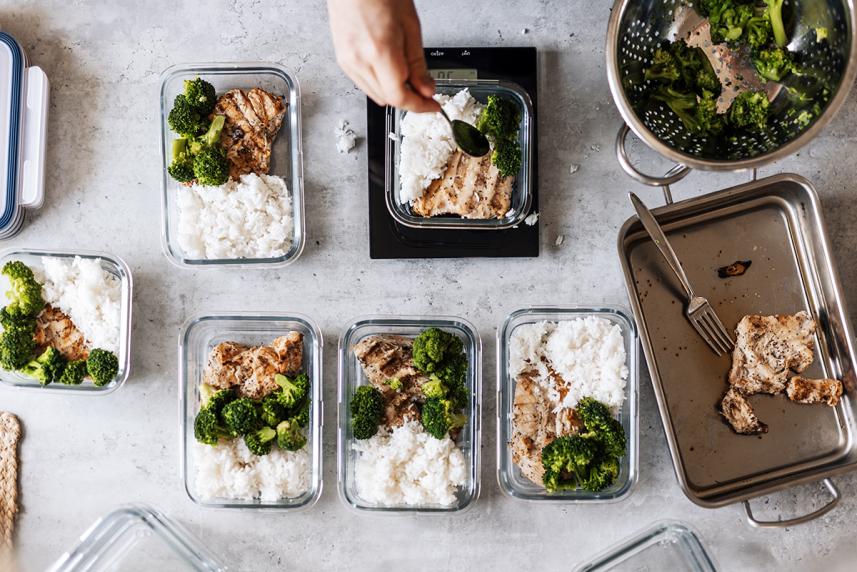
Are you filling your drawers, shelves, and refrigerator with foods that make it easy to eat healthy? These simple strategies ensure that nourishing meals and snacks are always within reach.
Create smart prep areas
Organize your kitchen in a smart way to save time and energy. Set up prep areas so the items you use most are easy to reach.
Keep ingredients and tools for your favorite meals close together.
For example, store salad items in one part of the fridge and keep tools like a salad spinner nearby.
It also helps to keep related items together. Store cutting boards near knives. Keep mixing bowls close to your prep space. Place often-used pantry items within arm’s reach. At the same time, clear your counters. Put away items you don’t use often, like baking supplies, so your space stays neat and supports healthy choices.
Prep before storing foods
Preparing foods before you store them makes healthy eating easier. When you chop vegetables for dinner, cut extras and save them for snacks or other meals.
Freezing is also helpful. You can freeze whole grains, cooked vegetables, cut fruit, lean proteins, and beans. This keeps healthy food options at the ready. Use freezer-safe bags, lay items flat, and label them with the name and date to stay organized and reduce waste.
You can also make meals ahead of time. For example, orzo chicken soup can be frozen in single servings. This makes it easy to reheat a healthy meal anytime.
Invest in tools to make cooking easier
It can be hard to open jars or reach items in the kitchen. But a few simple tools can make cooking much easier.
Grasping stick. Helps you pick up items without bending or reaching. Great for high shelves or dropped items.
Electric can opener. Opens cans with little effort. This reduces stress on your hands and wrists.
Rubber grip cloth. Helps loosen tight jar lids and gives you a better grip on containers.
Large-handled utensils. Easier to hold and control, especially if you have a weak grip or limited hand movement.
Keep healthy foods front and center
You are more likely to grab foods you can see. Place healthy foods at eye level to make better choices.
Dried fruit and nuts
Foods like dried apples, pineapple, apricots, and prunes have fiber and antioxidants. Fiber helps digestion and may lower the risk of heart disease and type 2 diabetes.
Canned beans and fish
Beans like black, pinto, cannellini, garbanzo, and kidney beans provide protein to support muscles. Fish like sardines and anchovies provide calcium and vitamin D for strong bones.
Grains
Barley, farro, quinoa, and buckwheat provide fiber, plant protein, and steady energy. They work well in meals or as filling breakfasts.
Website last updated: 9/30/2026