Shake the cobwebs — boost your health
A tidy living space can help boost your safety and even your memory. Here’s how.
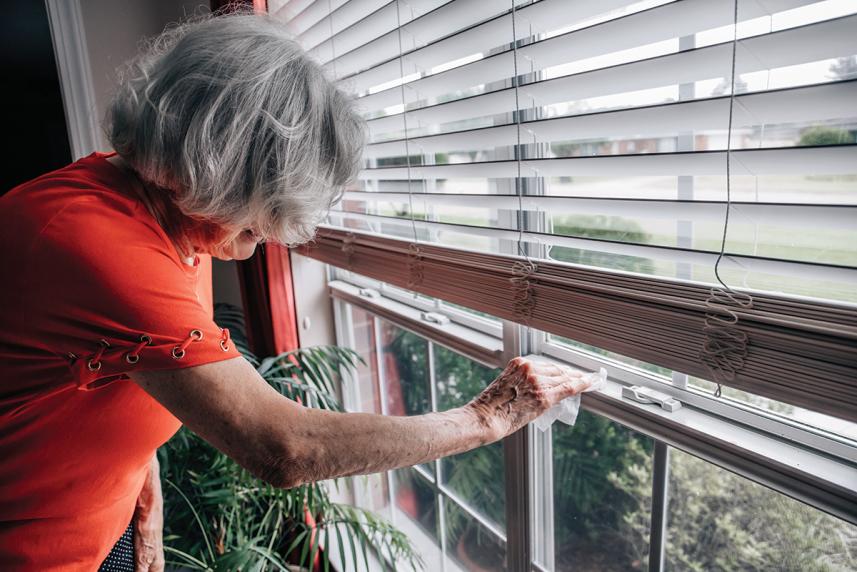
Clutter isn’t just an eyesore; it can significantly impact our health and well-being. Have no fear, we’re not sending a white-glove crew to your home! But it turns out that doing a little bit of sprucing up has concrete health benefits that make the effort worth it. Think: less stress, better breathing, and lower fall risk.
Health perk #1: Fall prevention
Clearing clutter from walkways, stairs, and hallways lowers the risk of tripping and falling. According to the National Institute on Aging, six out of every 10 falls happen in the home.
Where to begin: Start by clearing one pathway or hallway at a time. Remove any items that are out of place, such as cords, craft projects, or piles of paper, to create a safe and clear path.
Health perk #2: Mental clarity
Organizing your space can reduce stress and improve focus. Research from the UCLA Center on Everyday Lives of Families found that women who described their homes as cluttered felt more depressed and had higher levels of cortisol.
Where to begin: Begin with a small area, like a single shelf or drawer, and sort items into categories. Use a "Later Box" for items you’re unsure about and review its contents after six months to make more informed decisions.
Dr. Ramos says: Make it a date! For a more comprehensive decluttering approach, consider implementing a routine maintenance schedule. Set aside a short period each week to maintain your newly organized space, and revisit larger decluttering tasks every six months to keep your home clutter-free and healthy.
Health perk #3: Better breathing
Dusting and deep cleaning improve air quality, which can ease allergies and breathing problems. A buildup of belongings that collect dust can worsen breathing problems such as asthma.
Where to begin: Schedule regular deep-cleaning sessions for high-dust areas, such as furniture and blinds. Use a damp cloth to trap dust, and consider using an air purifier to reduce airborne particles.
Website last update 01/15/2026